
The short version
SOLO Taxonomy describes the complexity of student understanding, from a missing or isolated idea to connected explanations and generalization. This 2025 introduction explains its role in technology-supported learning; its event offers are historical.
Key takeaways
- Look at how students connect ideas, rather than counting facts alone.
- Match technology use to the understanding students need to demonstrate.
- Treat the dated course promotion as an archived announcement.
SPECIAL INTRODUCTORY OFFER: Join TCEA in celebrating the launch of our Mastery Learning Series for just $29 from now through Aug. 1, 2025! That’s less than $3 per credit hour! Register now
For decades, Bloom’s Taxonomy has guided instructional design in classrooms worldwide. But what if there’s a more practical framework for understanding student learning progression in today’s digital environment?
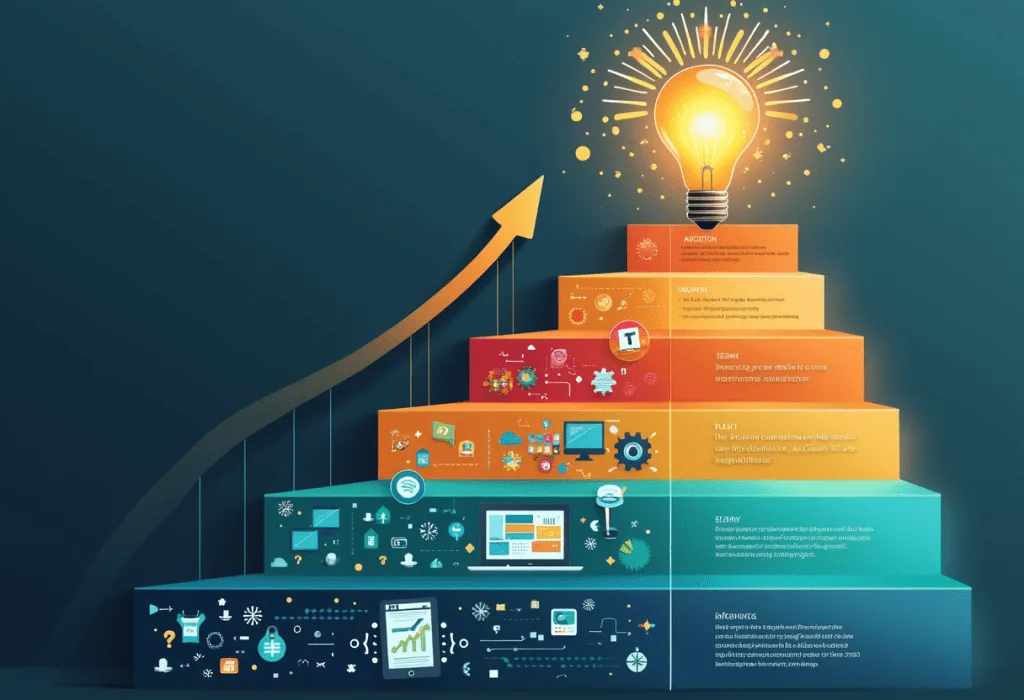
The second installment of TCEA’s Mastery Series introduces educators to the SOLO Taxonomy (Structure of Observed Learning Outcome), a research-based alternative that provides clearer insights into how learning develops.
Unlike Bloom’s, which focuses on cognitive processes, SOLO examines the structural complexity of student understanding:
- Pre-structural: “I don’t know what I don’t know”
- Unistructural: Understanding one relevant aspect
- Multistructural: Understanding several relevant aspects, but as separate pieces
- Relational: Integrating parts into a coherent whole
- Extended Abstract: Generalizing to new domains
What makes SOLO particularly valuable in technology-rich classrooms is its ability to help teachers identify precisely where students are in their learning journey and select digital tools accordingly.
Research reveals that approximately 82% of classroom teaching remains at the surface learning level. With SOLO as a guide, educators can intentionally design technology-enhanced learning experiences that move students toward deeper understanding and transfer.
The series provides practical frameworks for integrating AI across different SOLO levels—from teacher-led AI use at pre-structural/unistructural levels to student-driven AI application at the extended abstract level.
As we navigate the complexities of AI in education, SOLO offers a structured approach to ensure technology serves learning progression rather than shortcuts it. After all, as highlighted in the series, “Learning is deeper and more durable when it’s effortful.”