
Banned Books Week: An American Freedom Worth Exercising
What happens when a book gets challenged, restricted, or banned? Explore Contraband, a free collection of learning rooms, posters, and prompts that help students investigate challenged books.
Links and resources from my Instagram posts, with the newest first.
Subscribe to Instagram Posts via RSS

Follow @mguhlin on Instagram
Scan the QR code or follow the link.

What happens when a book gets challenged, restricted, or banned? Explore Contraband, a free collection of learning rooms, posters, and prompts that help students investigate challenged books.
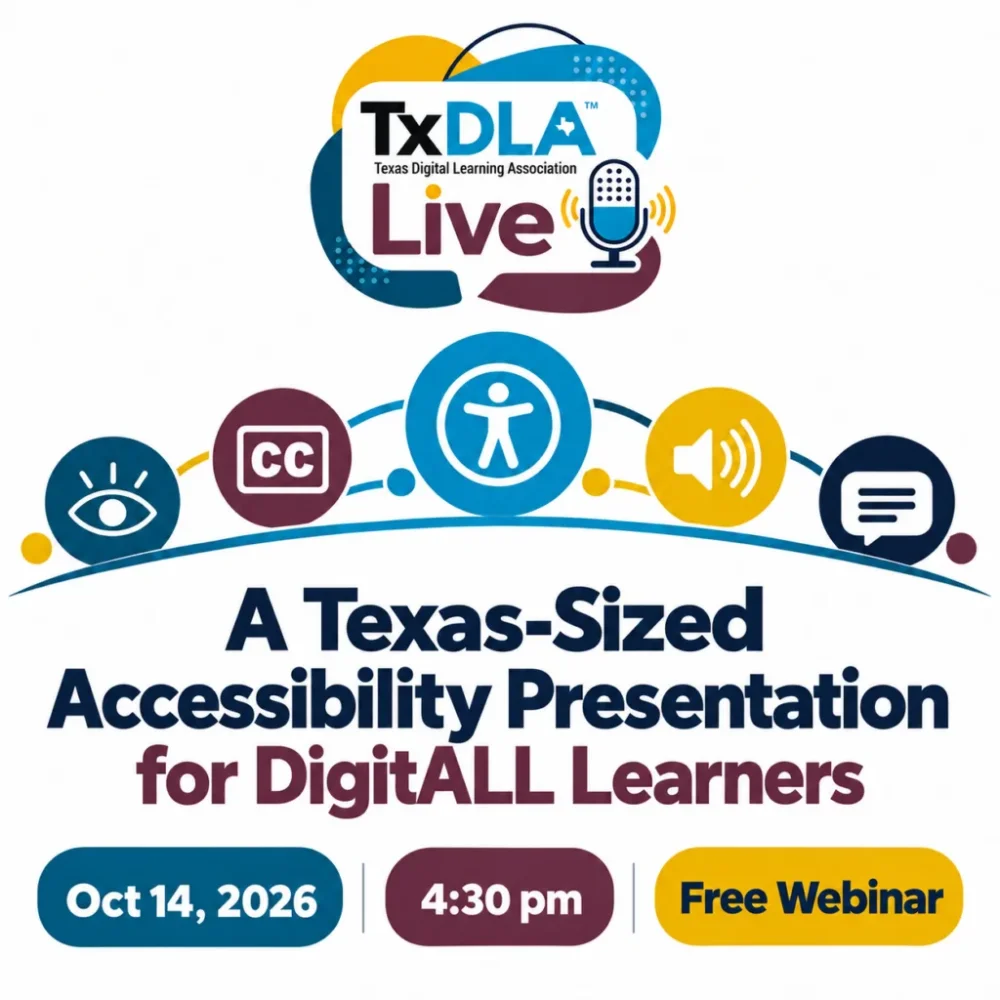
Be sure to attend the FREE @txdla webinar on October 14, 2026 featuring accessibility experts, Mary Rice and Raymond Rose.
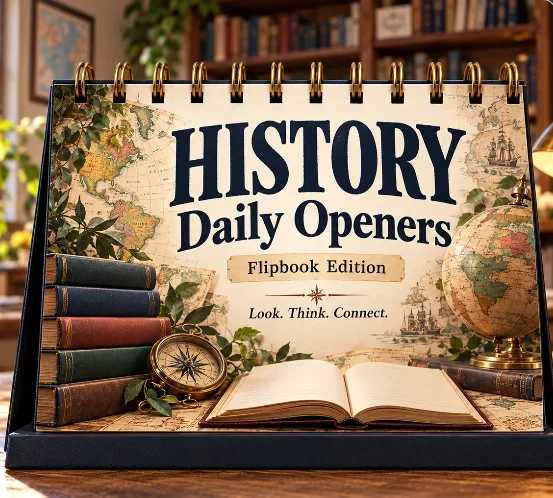
Introducing a website that may be useful to preservice/inservice, history/SS teachers in Texas, the History Learning Center (HLC). For now, here is a flipbook calendar with a daily activity for this year.
Read the article Explore History Learning Center (HLC) Explore Science Learning Center (SLC) View on Instagram
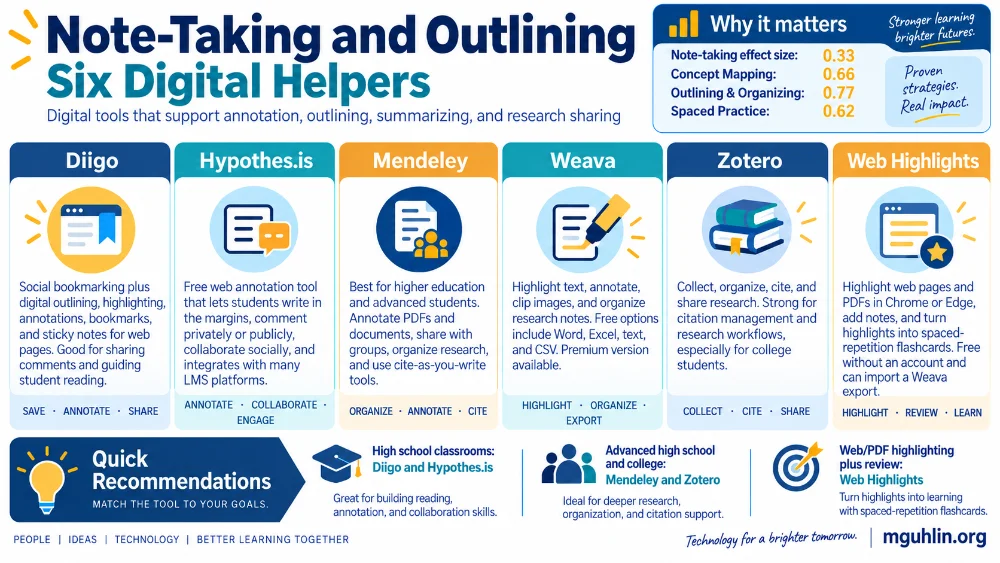
Wish you had an easy way to annotate websites or research articles and then share them with others? Do you need to guide high school and/or college students in the area of note-taking? If so, you’ve come to the right place. In this blog entry, I’ll feature a few digital tools that should come in handy for this purpose. At the end, I will share my recommendations.

Looking for an updated toolbox showing the best features of ChatGPT, Claude, Gemini, and Lumo AI? Then this collection of infographics might do it for you.
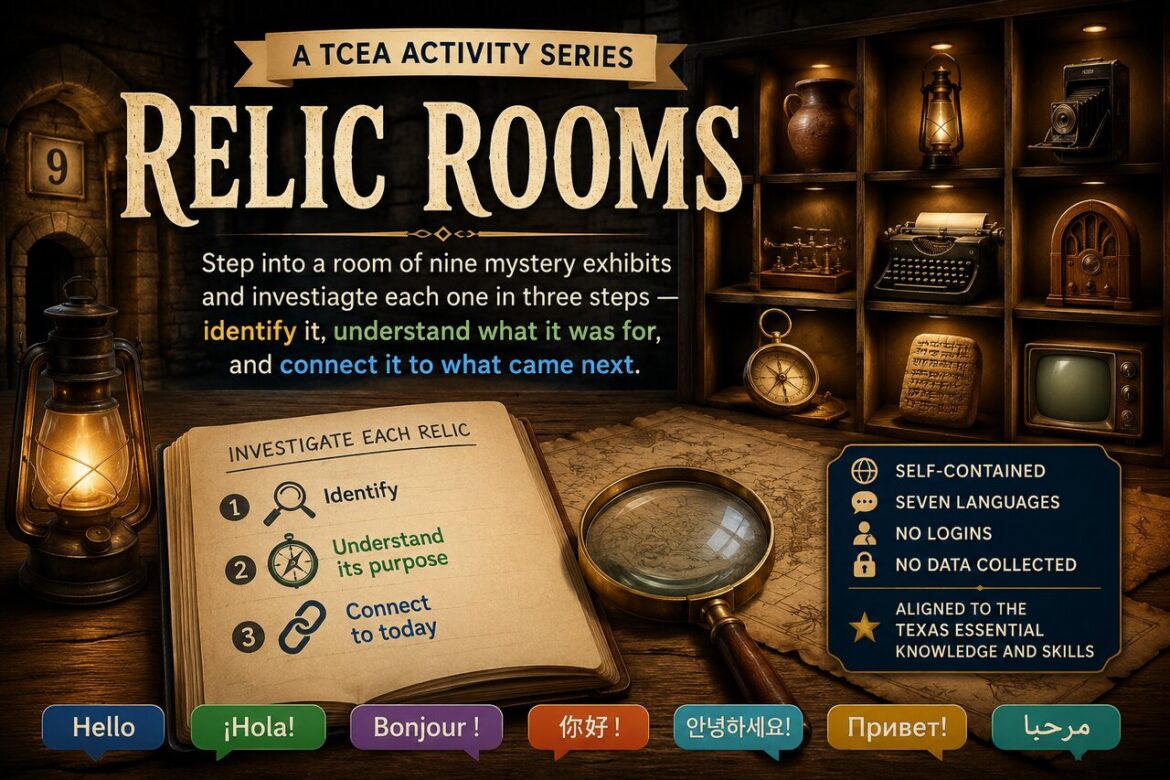
I’m happy to announce a new series (aligned to the Texas Essential Knowledge and Skills (TEKS)) that offers fun activities for students to start the school year off. The series is the Relic Room series. You get access to NINE different, free (no account required) mystery exhibits. I make specific suggestions for applying the ACE Framework to critically analyzing the information in these exhibits.
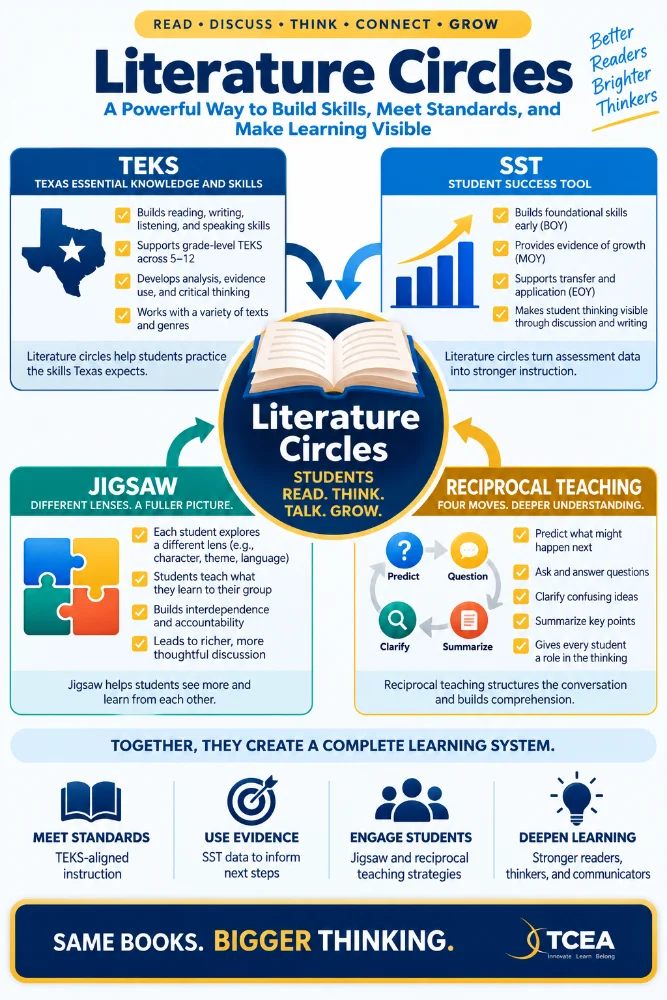
This latest Teacher Printables collection gives you that structure. The Literature Circles Launch Kit includes a 21-page teacher and student packet, reusable organizers, TEKS connections for grades five through twelve, and worked planners for specific texts.
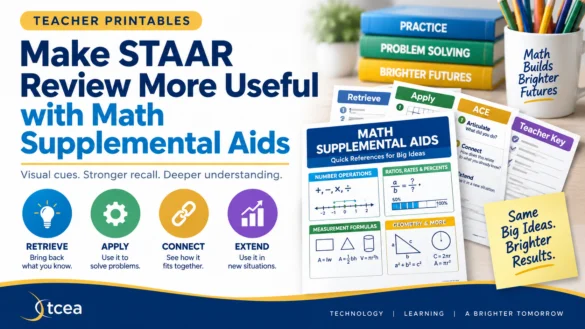
The latest addition to the Teacher Printables collection is a set of Math Supplemental Aids designed to give students quick visual reminders of mathematical relationships they have already learned. You can print them, project them, or slip them into student notebooks.
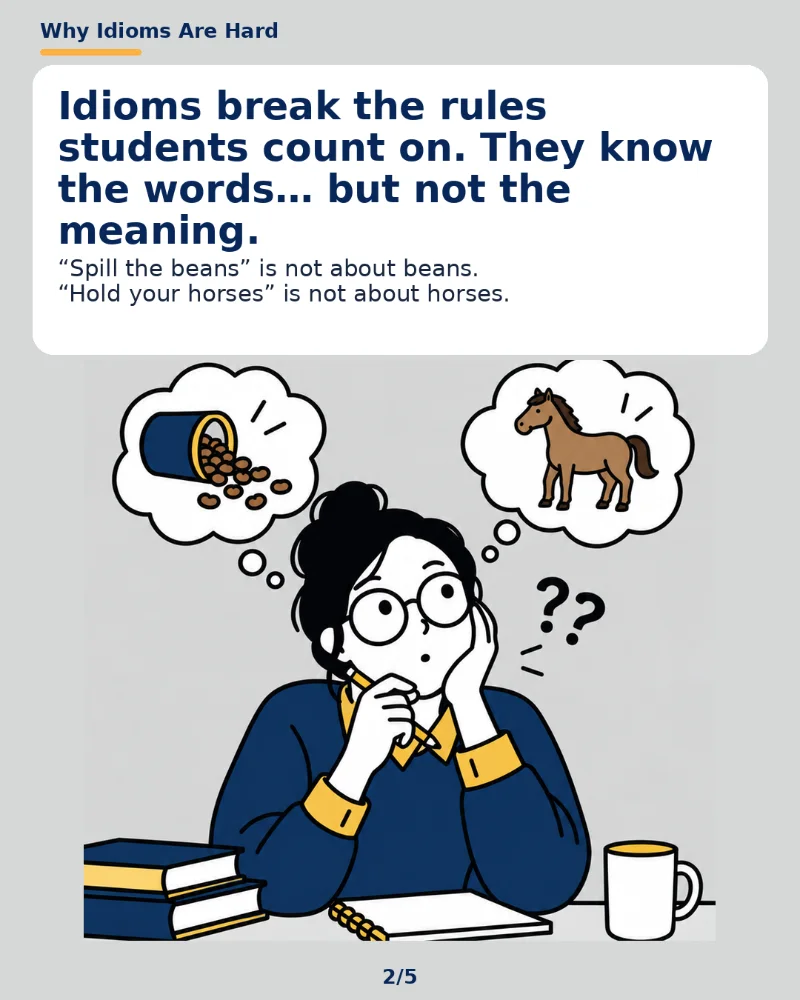
Learning idioms in English, or any other language, is both fun and frustrating. This offers activities you can use with students. Free.
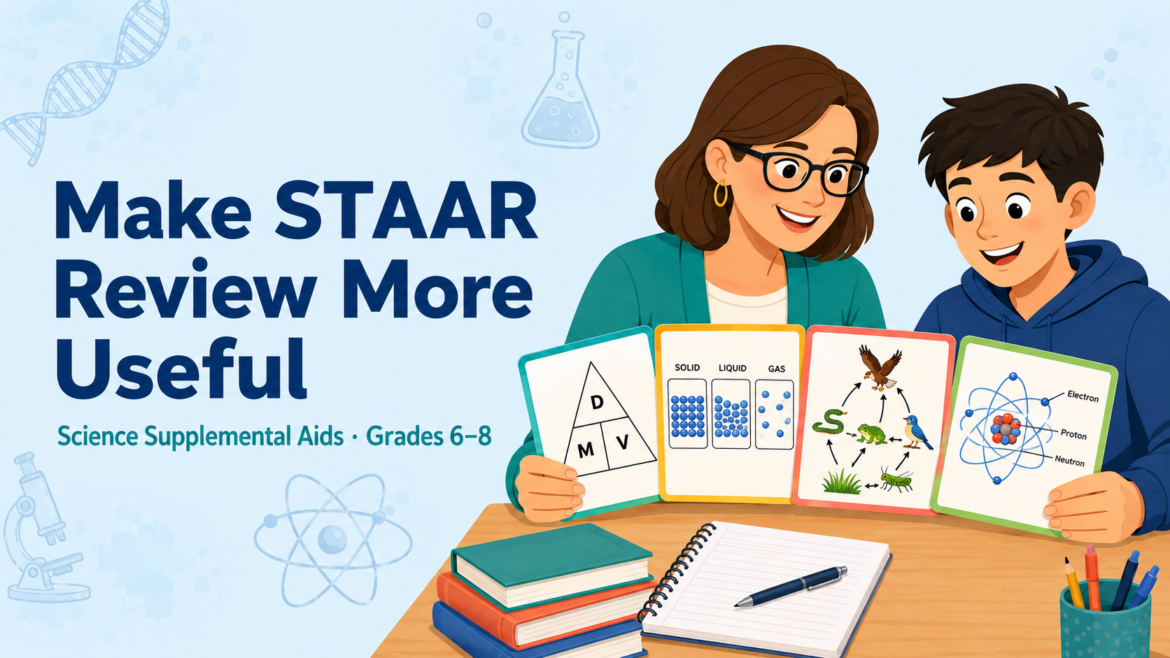
Welcome to a new series focused on teacher printables for classroom teachers. Ever wish you could just grab-n-go content that you could print and use tomorrow (or today)? Let’s take a look at this series of Science Supplemental Aids. You will find middle school aids, as well as elementary aids.

Before finalizing an entry, stop for one minute. Check the student, dates, attendance, incident structure, action code, and documentation. The “60-Second PEIMS Check” should be presented as a local quality-control routine: student, status, dates, attendance, incident, action, and documentation. Afterwards, submit.
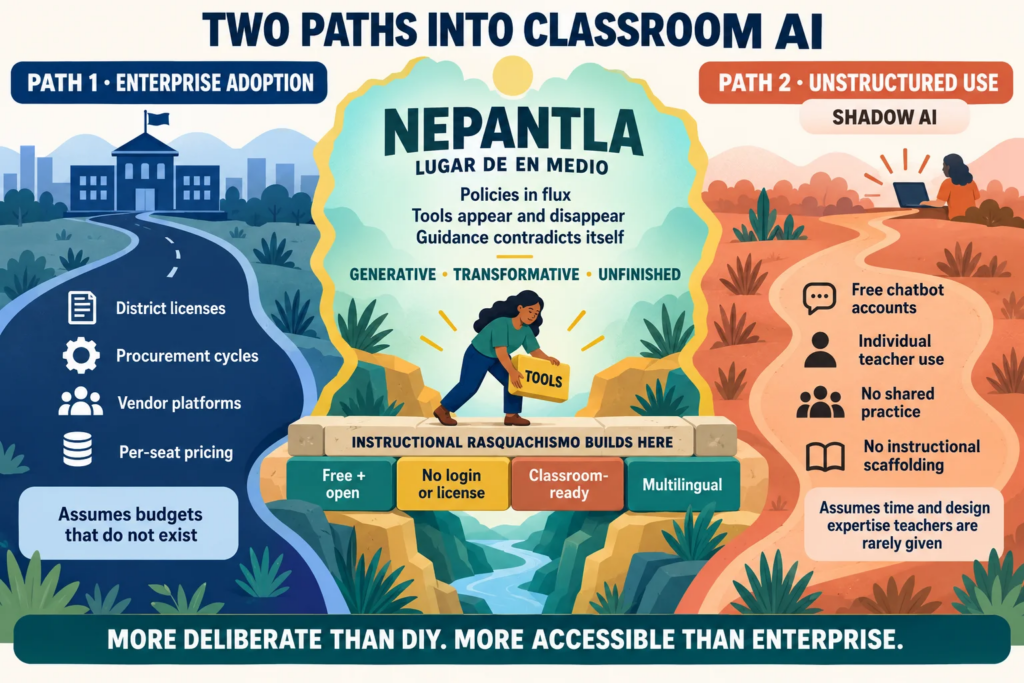
This is an "encore" presentation of the session I gave at LACDH2026 in San Antonio, Tx. With slashed budgets, school districts barely able to cover healthcare costs for educators, which subscriptions do you slash first to pay for the tools you need? what if you could vibe-code your way to success?
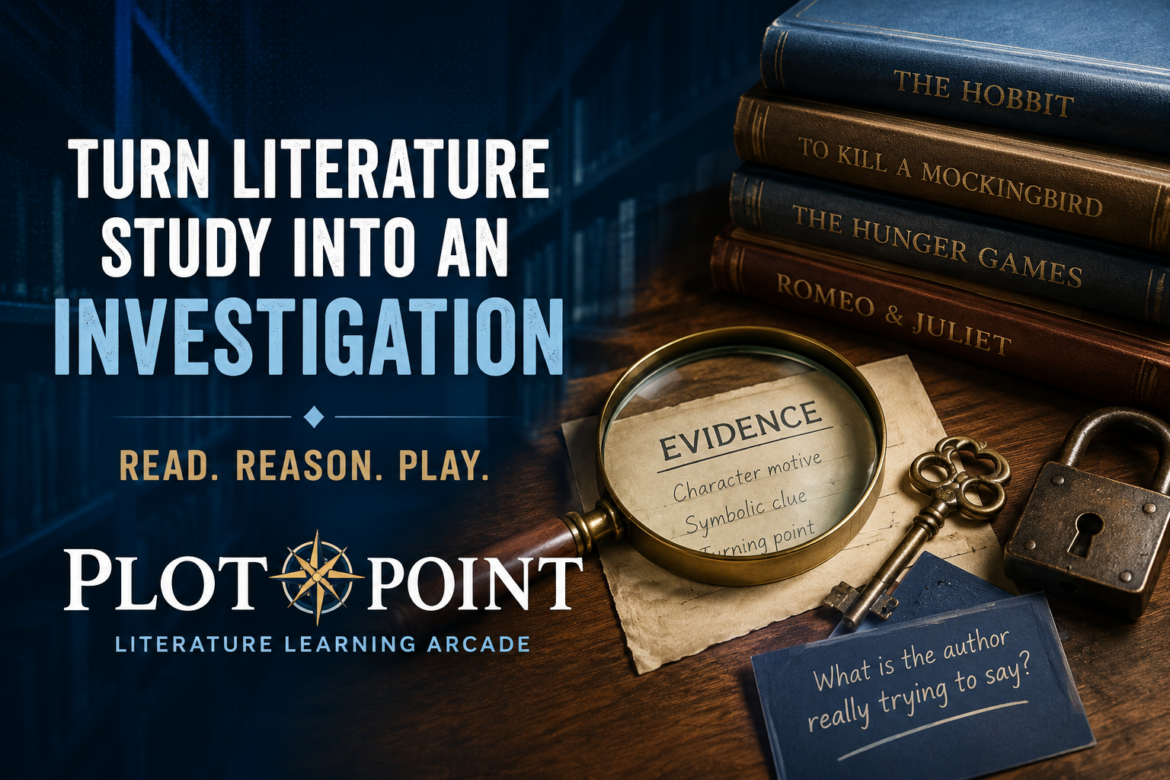
Looking for a way to engage students with literature? Consider PlotPoint, a literature learning arcade featuring 100 titles. The goal of PlotPoint is to turn reading into an investigation. It offers interactive learning opportunities for students and stories appropriate for grades six through twelve. Students examine artifacts, solve evidence-based breakouts, play short literary games, and explain the thinking behind their choices.
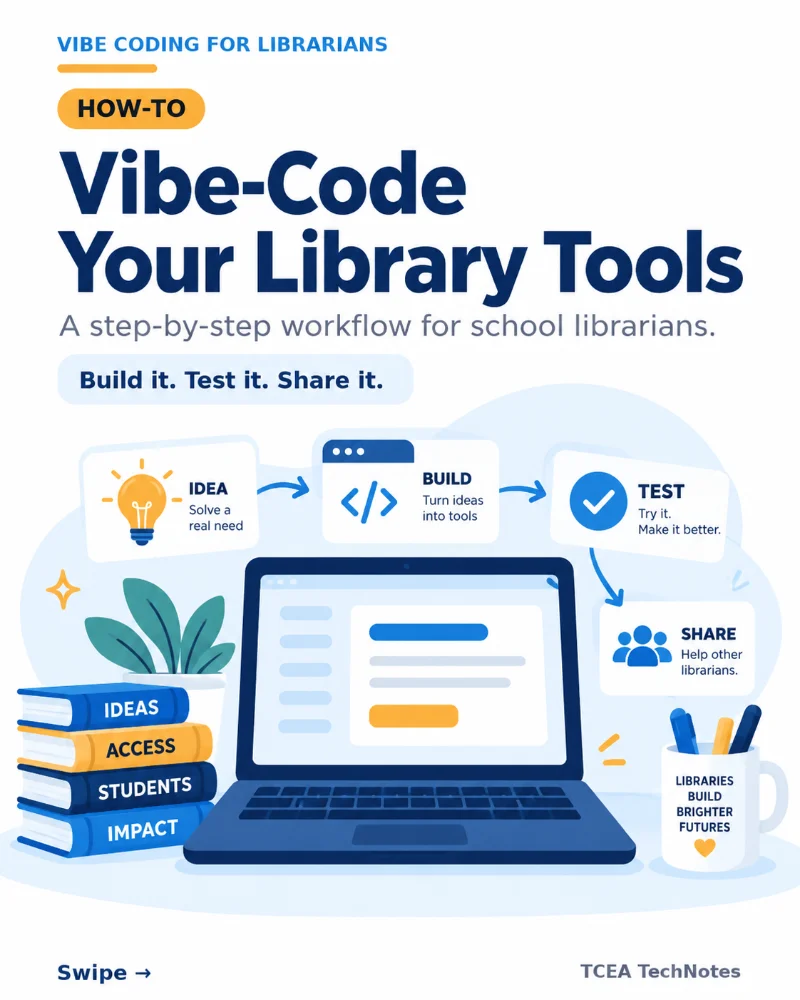
School librarians keep getting asked to run real programs on budgets that shrink every year, and the per-student, per-month pricing model is rarely on your side. You can build these tools with vibe-coding yourself now, without writing a line of code, and they cost nothing to run. I was skeptical too. Then I tried it. What “Vibe Coding” Even Means You describe the tool you want to a Gen AI chatbot. It writes the code. You spend your time clicking through the result and telling it what to fix. That’s it. That’s vibe coding.
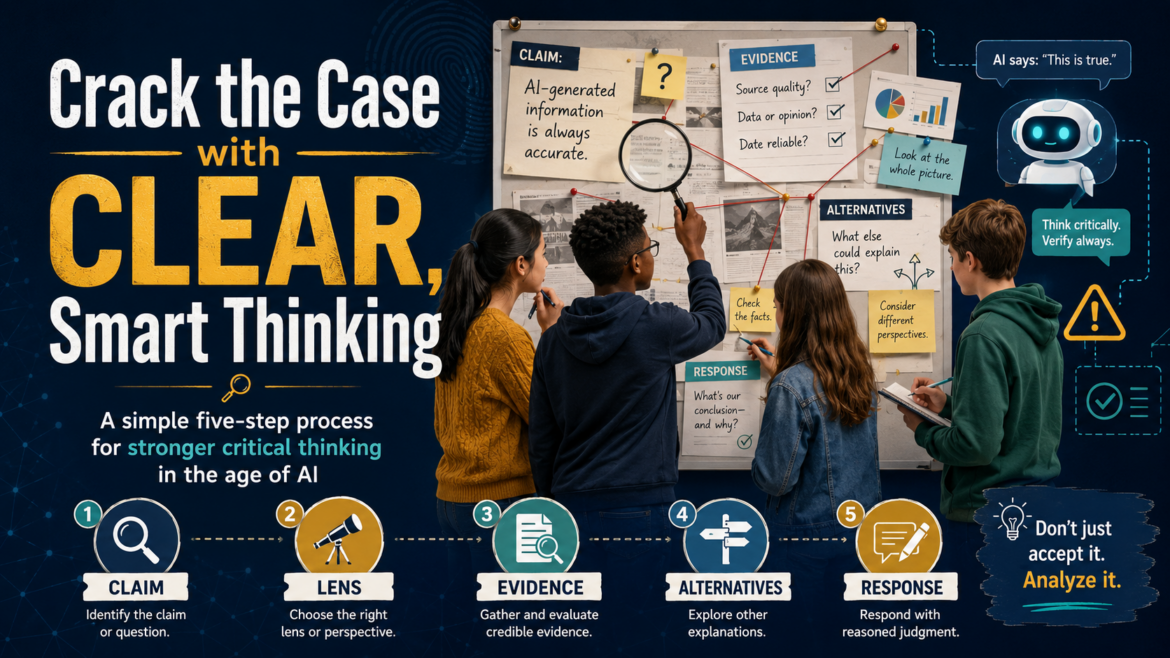
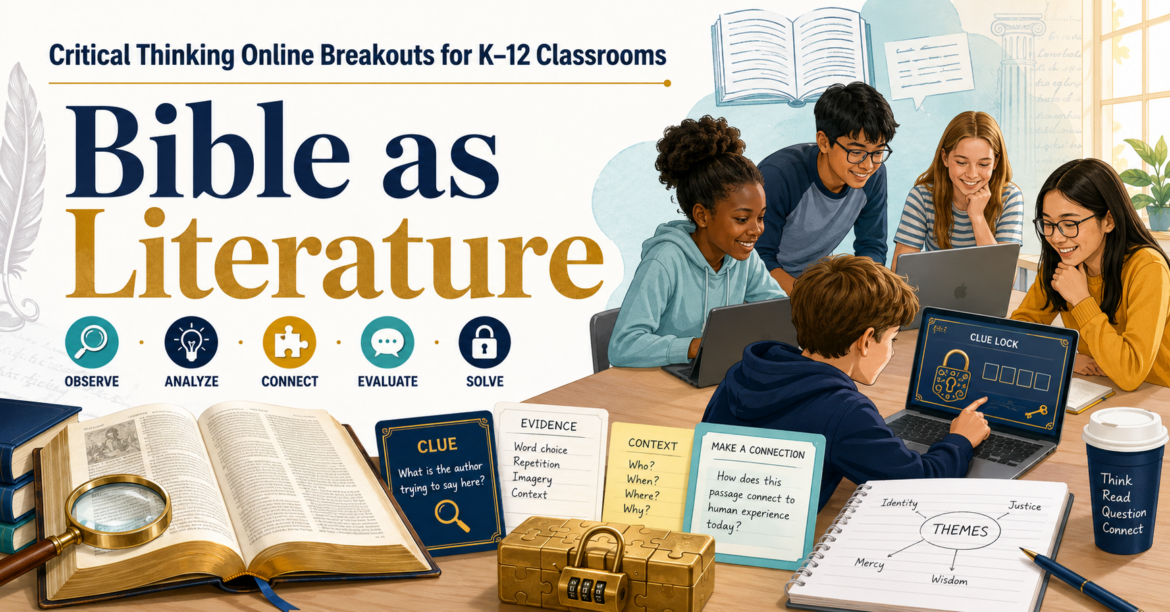
We don’t teach critical thinking as well as we should in K-12 schools. That’s why I have spent so much time on it in past blog entries. Gen AI has uncovered this detail for many. In this blog entry, I share a CLEAR process, a detective games for grades 3-8 with lesson plan, and, for Part 2 (dropping July 20, 2026), I promise a series of digital breakouts for grades 3-5, 6-8, and 9-12.
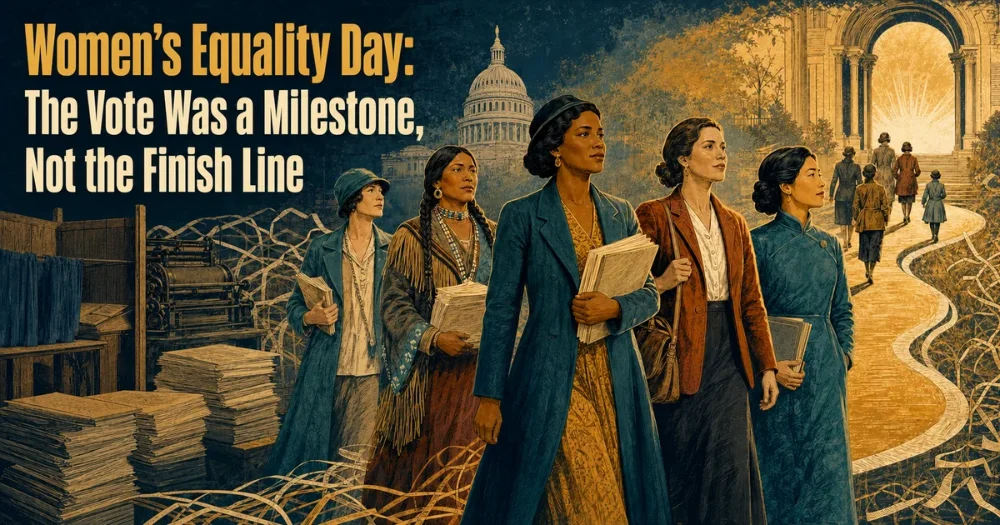
Adding a history observance may feel like one more plate to keep spinning. Women’s Equality Day offers a strong lesson without requiring a week-long unit or a heroic amount of coffee. A short video overview appears at the end.
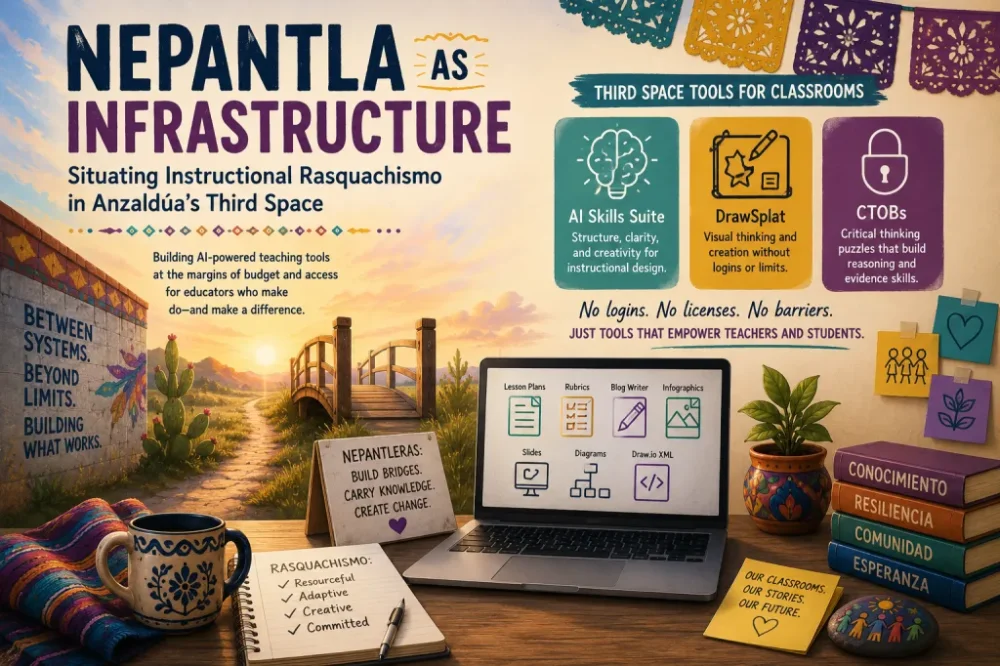
Instructional rasquachismo builds dignified, practical teaching tools from limited resources, while nepantla is the transformative in-between space those tools bridge between enterprise technology and under-resourced classrooms.
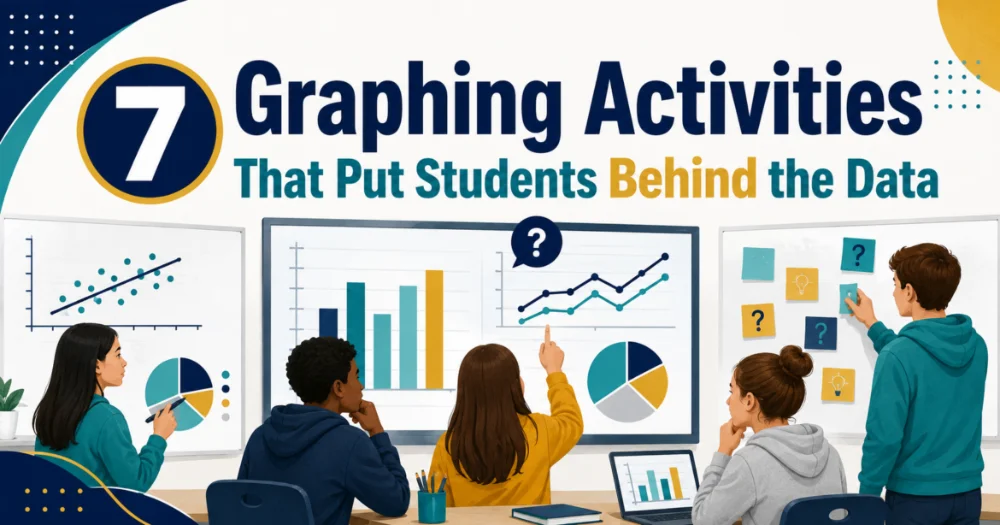
As a third grade teacher, I loved having my students collect data to graph. At the time, they relied on age-appropriate graphing tools like Labs for Learning’s LabQuest and Tom Snyder’s The Graph Club. Today, there is still ample data available to collect and organize. Let me introduce you to a new graphing and calculator tool you may find useful.
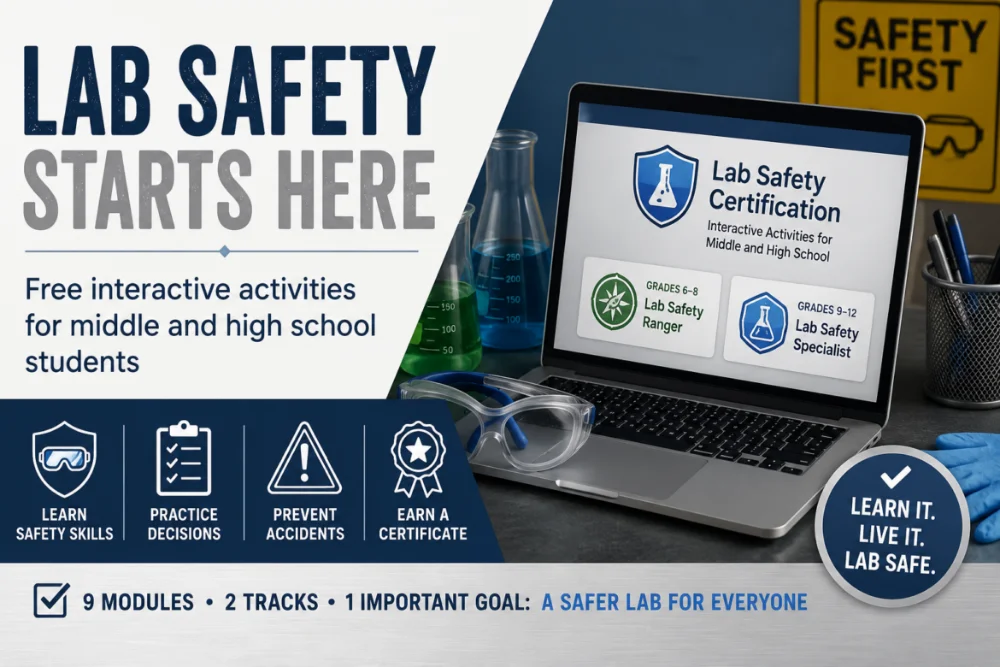
These free Lab Safety Certification activities (available in seven different languages) may give students a chance to practice those decisions before they begin laboratory work. And, as a bonus, you get five posters you can print and hang in your classroom.
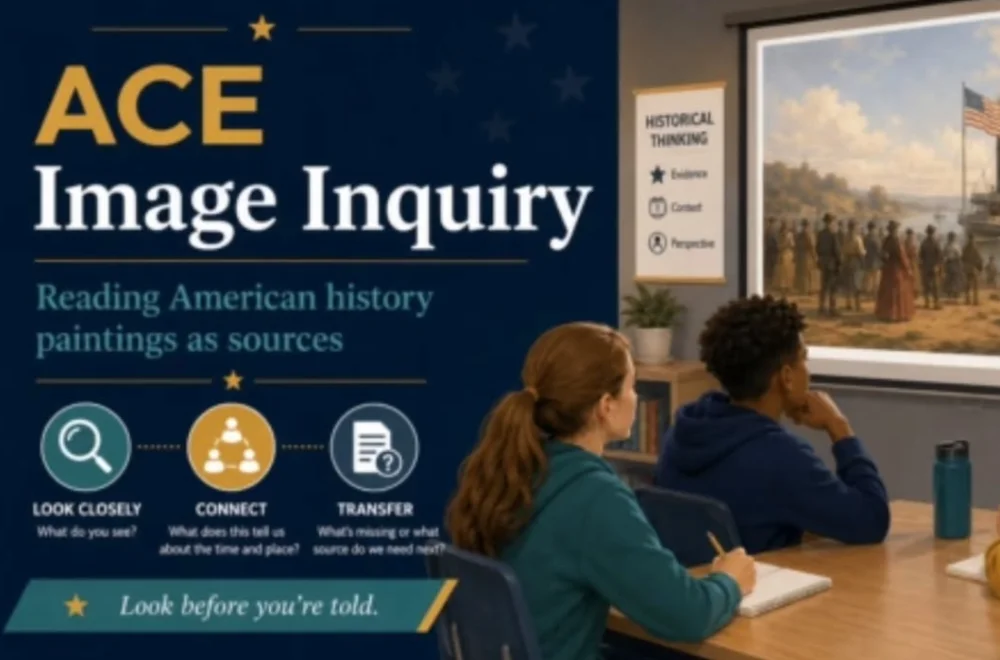
Art history, or history in art, has never been my thing. That’s why I found visits to museums as a student, unless they focused on scientific accomplishments, bones and fossils, to be a waste of time. Michaelangelo’s sculptures awed me as a teenager, especially David. But show me a painting, and I would end up pulling out a book to read or walking around to find something more interesting. Of course, tapestries depicting battles weren’t easily available to me. Today, I am discovering a wealth of art that I missed. It’s art that tells a story, that shifts your perspective before you even know anything about it. This blog is my rediscovery of history as described in eleven pieces of art, American history paintings aligned to the Social Studies TEKS.
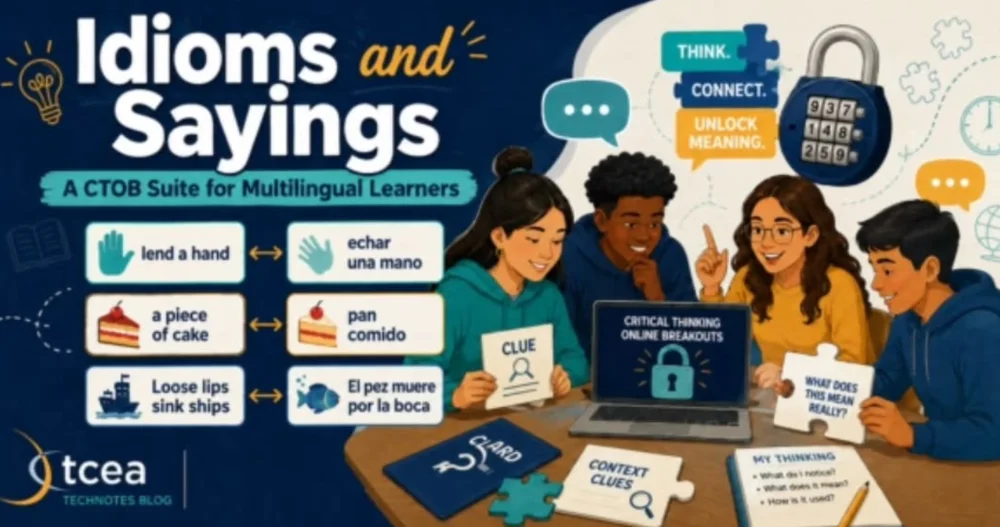
Learning idioms in English, or any other language, is both fun and frustrating. The suite is built for grades three through twelve and includes a variety of English and Spanish breakouts across three grade bands. It also includes a search-first landing page, a trilingual English, Spanish, and French idiom spotlight, and an ELPS and TEKS alignment page.
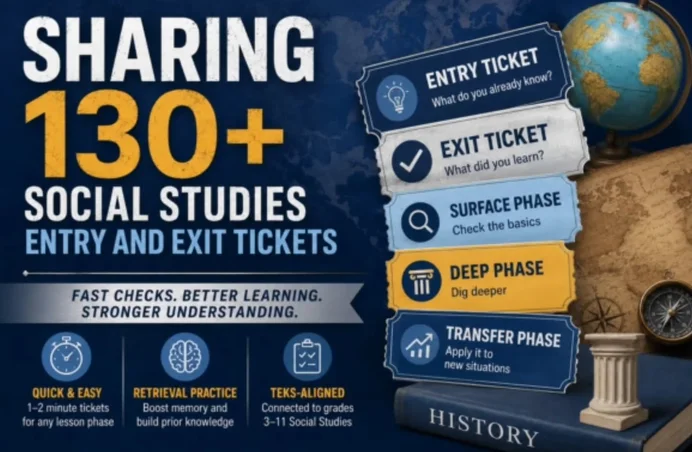
Ever wonder if your students got that lesson or not? Someone said recently, “Some new teachers entering schools today don’t know what entry or exit tickets are.” I was shocked to hear that. While it’s possible, it’s unlikely. What’s more likely is that they may not be aware of the power of the high-effect size strategy, Retrieval Practice. In this blog entry, I’ll share over 130+ entry and exit tickets aligned to the Social Studies TEKS for grades 3-11. You will have to decide if they are useful or not.